Understanding how foam rolling improves recovery can help you get more out of every training session. Foam rolling is a simple and affordable self-massage technique that releases muscle tension, reduces soreness, and speeds up your body’s natural recovery process.
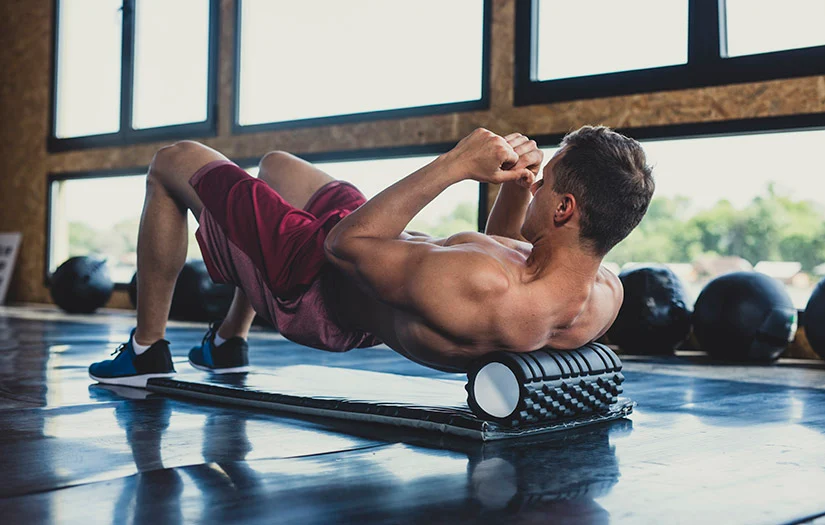
What Is Foam Rolling? Foam rolling, also known as self-myofascial release, involves applying controlled pressure to your muscles using a foam roller. This pressure helps break up adhesions and tight spots in the muscle tissue, improving blood flow and reducing stiffness.
Reduce Muscle Soreness One of the most immediate benefits of foam rolling is reduced muscle soreness after training. Rolling out your legs, back, and shoulders after a workout helps release built-up tension and decreases the discomfort you feel in the following days.
Improve Flexibility and Range of Motion Regular foam rolling gradually improves your flexibility by loosening tight muscles and connective tissue. Better flexibility leads to improved movement quality, which enhances your performance in the gym and reduces the risk of injury.
Increase Blood Flow and Speed Up Recovery The pressure applied during foam rolling increases circulation to the targeted muscles. Improved blood flow delivers more oxygen and nutrients to the area, which accelerates the recovery process between training sessions.
When and How to Use a Foam Roller Foam rolling is most effective when done after a workout or on rest days. Spend 30 to 60 seconds on each muscle group, applying steady pressure and pausing on any particularly tight spots. Avoid rolling directly on joints or the lower back.
Add It to Your Recovery Routine Incorporating foam rolling alongside our personal training programs ensures a complete approach to training that includes both performance and recovery.
According to the National Academy of Sports Medicine, self-myofascial release through foam rolling effectively reduces muscle tightness and improves overall movement quality and recovery.